


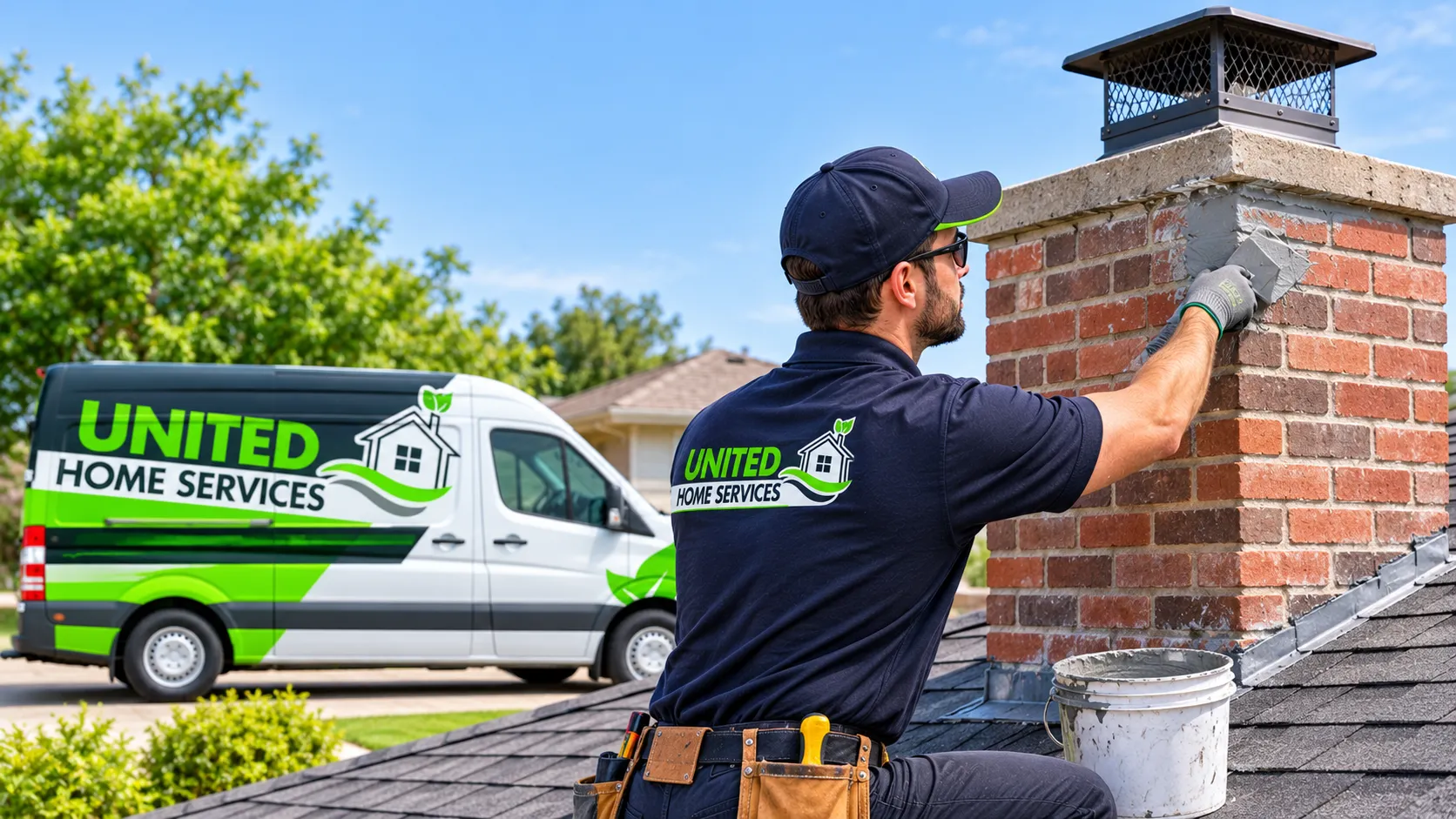

A chimney is designed to protect your home by safely directing smoke and gases outside. However, constant exposure to rain, snow, wind, and changing temperatures can gradually weaken its exterior structure. When water finds its way inside, it can damage the chimney, surrounding walls, ceilings, and other parts of your home.
For homeowners in Boston, chimney leaks can become a recurring concern, particularly during harsh winters and periods of heavy rainfall. Small cracks, deteriorating mortar, damaged flashing, and missing chimney caps can all allow moisture to enter.
Professional chimney leak repair services help identify where water is entering and address the underlying problem before it causes more extensive damage. Understanding the warning signs and common causes can help you recognize when your chimney needs attention.
Why Do Chimneys Develop Water Leaks in Boston?
Boston’s changing weather conditions can put considerable stress on residential chimneys. Rain, snow, ice, and repeated freezing and thawing gradually affect masonry and roofing components.
Water can enter through several vulnerable areas, including the chimney crown, flashing, masonry joints, and chimney cap.
Here are some of the most common reasons Boston homeowners experience chimney leaks.
1. Damaged or Deteriorating Chimney Flashing
Chimney flashing is the metal material installed where the chimney meets the roof. Its purpose is to create a watertight barrier that prevents rainwater from entering the space between the chimney and roofing materials.
Over time, flashing can rust, loosen, separate, or develop gaps. Strong winds, heavy rainfall, and seasonal temperature changes can contribute to deterioration.
When flashing fails, water may travel beneath the roofing materials and eventually appear as stains on nearby ceilings or walls.
2. Cracked Chimney Crown
The chimney crown is the protective surface at the top of a masonry chimney. It helps direct rainwater away from the brickwork and prevents moisture from entering the chimney structure.
Cracks can develop when the crown experiences prolonged weather exposure or temperature fluctuations. Once these openings appear, water can seep into the masonry.
During colder months, trapped moisture may freeze and expand, making existing cracks worse.
Professional chimney crown repair can address damaged areas and help restore the chimney’s protection against moisture.
3. Missing or Damaged Chimney Cap
A chimney cap covers the opening at the top of the flue. It helps prevent rain, snow, leaves, and animals from entering the chimney.
Without a properly fitted cap, precipitation can enter directly through the flue opening. Over time, this moisture may contribute to rust, deterioration, unpleasant odors, and damage to internal chimney components.
A damaged or improperly installed chimney cap can create similar problems.
4. Deteriorating Brickwork and Mortar Joints
Brick chimneys naturally experience wear from years of exposure to outdoor conditions. Mortar joints can gradually weaken, crack, or erode, leaving small openings where water can penetrate.
This issue can be particularly concerning for older Boston properties with aging masonry chimneys.
When water enters damaged brickwork, it may cause staining, surface deterioration, and further mortar damage. Repointing or tuckpointing may be necessary when deteriorated joints are responsible for moisture penetration.
5. Damaged Chimney Chase Covers
Some homes have factory-built chimneys surrounded by an exterior chase. A metal chase cover protects the top of this structure from rain and snow.
If the cover becomes corroded, develops holes, or loses its proper seal, water can enter the chase and damage the surrounding materials.
Homeowners may notice water stains, damp insulation, or moisture around the fireplace area when this happens.
Warning Signs That Your Chimney May Be Leaking
Chimney leaks are not always immediately visible. Sometimes, water travels through masonry or behind building materials before appearing inside the home.
Recognizing the early warning signs can help homeowners arrange an inspection before moisture damage becomes more extensive.
Look for these common symptoms:
- Water stains on ceilings: Brown or yellow discoloration near the chimney may indicate moisture intrusion.
- Dampness around the fireplace: Moisture inside the firebox or around the hearth can suggest a chimney leak.
- White stains on brickwork: White powdery deposits, known as efflorescence, may indicate moisture moving through masonry.
- Peeling paint or bubbling walls: Persistent moisture can damage interior paint, plaster, and drywall.
- Musty odors: A damp smell near the fireplace may indicate trapped moisture.
- Crumbling mortar: Deteriorating joints or loose pieces of masonry can indicate prolonged weather exposure.
If you notice one or more of these symptoms, a professional inspection can help determine whether the moisture is coming from the chimney, roof, or another part of the building.
What Is Included in Professional Chimney Leak Repair Services?
Effective chimney leak repair begins with identifying the actual source of water intrusion. Treating only the visible stain or applying temporary sealant may not address the underlying problem.
Depending on the chimney’s condition, professional repair may involve several different services.
Chimney Leak Inspection
An inspection helps identify damaged components and possible water entry points. A professional may examine the exterior masonry, chimney crown, cap, flashing, and accessible interior areas.
Moisture meters and video inspection equipment can also help identify hidden moisture and assess areas that are difficult to examine visually.
Chimney Flashing Repair
If water enters around the roofline, damaged flashing may need to be repaired or replaced. The appropriate repair depends on the condition of the existing flashing, surrounding shingles, and chimney masonry.
Chimney Crown Repair
Cracked or deteriorating crowns may require sealing, resurfacing, or more extensive restoration. The correct approach depends on the extent of the damage and the crown’s existing condition.
Chimney Waterproofing
Chimney waterproofing helps reduce moisture absorption through porous masonry. A suitable breathable waterproofing treatment allows water vapor to escape while helping limit liquid water penetration.
However, waterproofing should not be treated as a substitute for repairing structural cracks, damaged flashing, or missing chimney components.
Masonry Repair and Repointing
When deteriorated mortar joints or damaged bricks allow water to enter, masonry restoration may be necessary. Repointing involves removing deteriorated mortar and replacing it with compatible new mortar.
The repair material should be appropriate for the existing masonry to avoid creating additional damage.
Why Boston Homeowners Should Address Chimney Leaks Early
Ignoring a chimney leak can allow a relatively small moisture problem to develop into a much larger repair issue.
Water can gradually affect the chimney’s masonry, interior finishes, and surrounding building materials.
Some potential consequences include:
- Masonry deterioration: Repeated moisture exposure can weaken mortar joints and damage brick surfaces.
- Interior water damage: Leaks may affect ceilings, walls, insulation, and nearby wood framing.
- Mold concerns: Persistent moisture inside enclosed areas can create conditions that support mold growth.
- Corrosion: Water exposure can contribute to rust on metal chimney components.
- More extensive repairs: When leaks remain unresolved, additional materials and building components may become affected.
Addressing the source of moisture early can help limit further deterioration and protect the condition of your property.
How to Help Prevent Future Chimney Leaks
Although no chimney is completely protected from weather-related wear, regular maintenance can help homeowners identify developing problems.
Consider these maintenance practices:
- Schedule a professional chimney inspection at least once a year.
- Check for visible cracks or deterioration around the chimney crown.
- Have the chimney flashing inspected, particularly after significant roof work.
- Make sure the chimney cap is properly fitted and in good condition.
- Look for white staining, damaged mortar, and deteriorating brickwork.
- Arrange an inspection when you notice water stains or dampness near the fireplace.
For Boston homeowners, checking chimney components before the colder months can be especially useful because existing damage may become more noticeable during winter weather.
Choosing Professional Chimney Leak Repair Services in Boston
Choosing the right service provider is important when dealing with chimney water intrusion. Different leaks require different repair methods, and the visible location of a water stain does not always reveal where the water first entered.
Look for a professional chimney service provider that can:
- Inspect the chimney’s exterior and accessible interior areas.
- Identify potential water entry points.
- Examine flashing, crowns, caps, and masonry joints.
- Explain which components require attention.
- Provide a clear description of the repair work.
Boston United Home Services provides chimney services throughout Boston and nearby Greater Boston communities. Its chimney leak repair service focuses on identifying moisture entry points and addressing issues involving flashing, chimney crowns, caps, and masonry.
Whether your property has visible water stains or you suspect hidden moisture around the chimney, arranging a professional assessment can help you understand the condition of the structure.
Protect Your Boston Home with Professional Chimney Leak Repair
A leaking chimney should never be overlooked. Damaged flashing, cracked crowns, deteriorating mortar, and missing chimney caps can all allow water to enter and gradually affect your home’s structure.
For Boston homeowners, timely inspections and appropriate repairs are important parts of maintaining a chimney through changing seasonal conditions.
If you have noticed water stains, dampness, or visible chimney deterioration, Boston United Home Services can help assess your chimney and identify potential sources of water intrusion.
Contact the team at (617) 221-9081 to learn more about professional chimney leak repair services in Boston and schedule an appointment.
Frequently Asked Questions
What causes a chimney to leak?
Common causes include damaged chimney flashing, cracked chimney crowns, missing chimney caps, deteriorating mortar joints, and damaged chase covers. An inspection helps identify the actual source.
How do I know if my chimney is leaking?
Common warning signs include brown ceiling stains, dampness around the fireplace, white deposits on exterior bricks, peeling paint, musty odors, and crumbling mortar.
Can a chimney leak cause interior water damage?
Yes. Water entering through the chimney can travel into surrounding walls, ceilings, insulation, and framing. Prolonged moisture exposure may also create conditions that support mold growth.
Does chimney waterproofing stop all leaks?
No. Waterproofing helps reduce water absorption through masonry, but it cannot replace damaged flashing, repair structural cracks, or correct missing chimney components.
How often should a chimney be inspected in Boston?
Homeowners should arrange a professional chimney inspection at least once a year. Additional inspections may be necessary when visible damage or signs of water intrusion appear.
When should I schedule chimney leak repair?
Arrange an inspection as soon as you notice water stains, dampness, damaged masonry, or other signs of moisture intrusion. Prompt attention can help prevent additional deterioration.


